
Agrivoltaic:
What it is and what are its advantages?
IN-DEPTH ARTICLE TO UNDERSTAND HOW IT WORKS AND THE ITALIAN CONTEXT
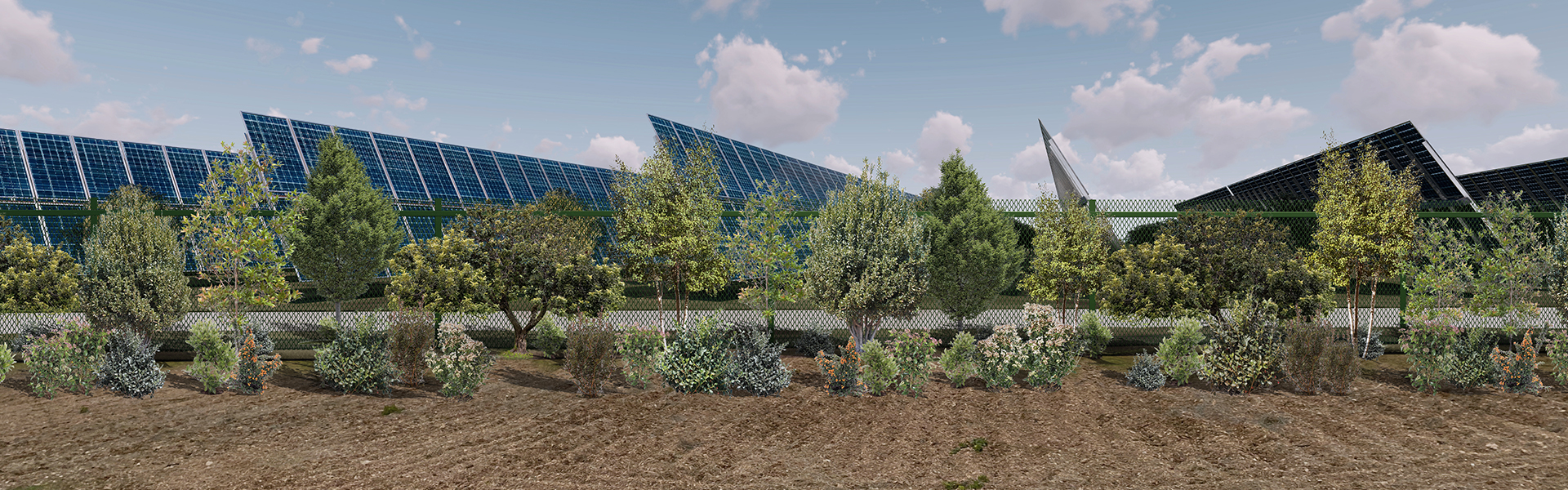
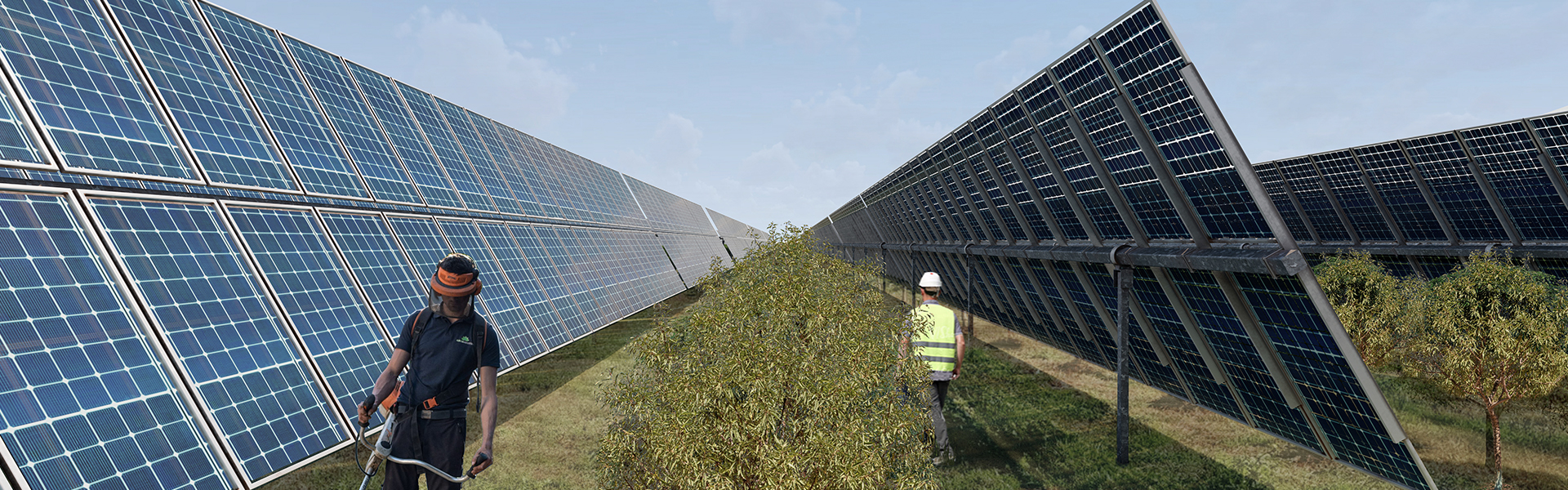
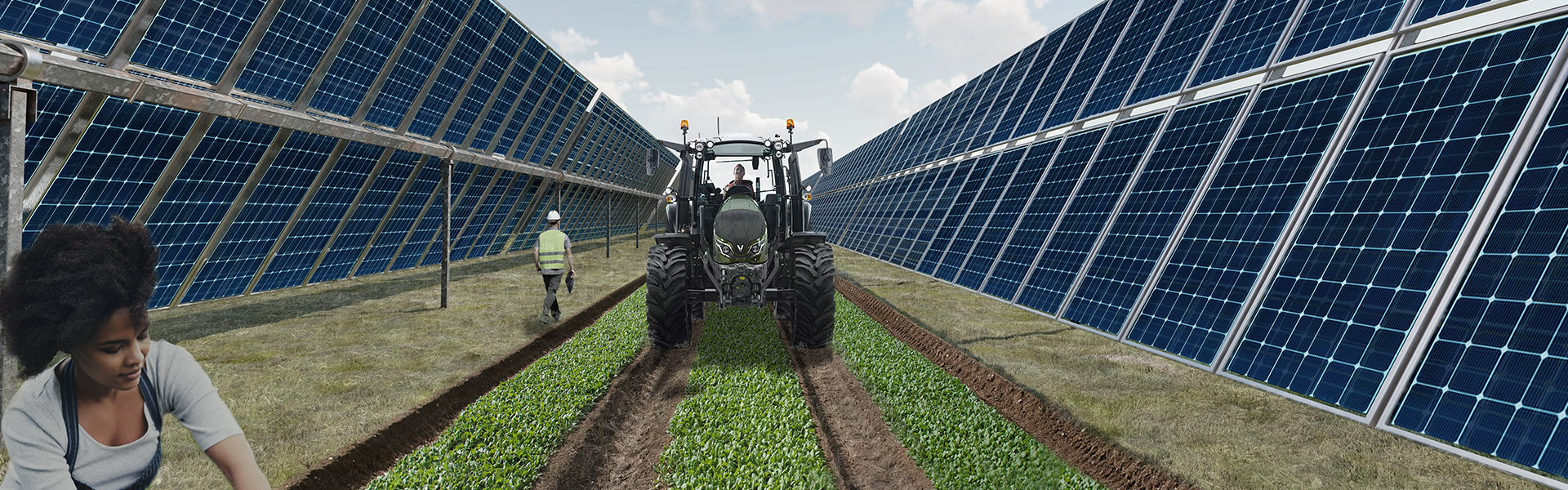
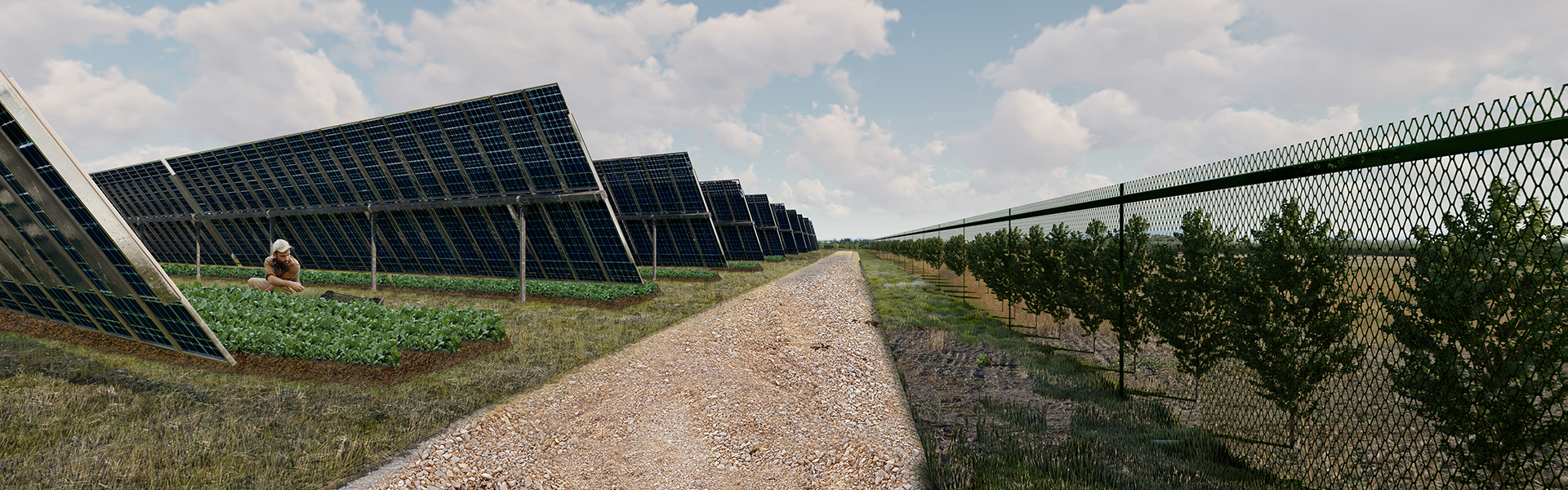
Despite it may sound new to many, agrivoltaic is a term that is quite well-known in the renewable sector. In recent decades, the concept of sustainability has become increasingly important at a European and international level, and has made its way into various sectors, including the agri-food sector. Compared to a few years ago, it is more common today to see large and somewhat bizarre infrastructures in the countryside, covering large cultivated land. These are agrivoltaic systems, also called agro-photovoltaic systems. They are nothing more than photovoltaic systems destined for arable land. These are intended to create a link between renewable energy, in this case solar energy, and agriculture.
Agrivoltaic: the Italian context
For Italy, the ambitious goal contained in the UE climate package Fit for 55%, to install around 60GW of additional solar capacity by 2030, could represent an opportunity to combine agronomic projects with energy production plants. However, it is important to dwell on some numbers to dispel prejudices once and for all.
Recall that Italy has an area of 30.2 million hectares of which about 58% is agricultural, 34% is forest and the remaining 8% is cemented. Analyzing the last 30 years, the agricultural sector has seen the abandonment of 5 million hectares of land, which however remains registered as agricultural, but is no longer used. So about 16.5% of the entire national territory is currently abandoned.
But if we have already used agricultural areas for photovoltaics in the past, why use more?
The photovoltaic system built on the ground (without concreting) covered 0.03% of the territory. It is now proven that the construction of a photovoltaic plant does not pollute, on the contrary, it makes the land rest for 30 years. Moreover, the construction of the plant is almost totally reversible. The counter-benefits, however, have a considerable weight in terms of electricity production.
Analyzing the worst case, realizing all 60 GW on agricultural land, the extension that would be used can be estimated in 120,000 ha, about 0.7% of agricultural land that could be available for agro-photovoltaic projects that will innovate agriculture with private money, help biodiversity, produce energy from renewable sources and also help 99.3% of the remaining agricultural lands (severely tested by monoculture, intensive production, abuse of pesticides/chemicals, climate change). In addition to all the taxes that these private initiatives will bring, this will create induced activities and employment thus stimulating the economy. Important to also remember that these plants will be without public incentives, selling electricity on the market in the same way as gas and coal plants, but doing it without polluting and using the sun as a raw material for free.
The common goal must not be to demonize these installations but to close coal and gas power plants, the real enemy of the environment, and to do so the only way is to install renewable energy plants, even better if combined with agriculture.
Agrivoltaic: does it work?
Agrivoltaic: what are its advantages for the agriculture?
Until now, we have talked about small plants, but in reality agro-photovoltaics can potentially be used for all types of crops since the advantages are many and guarantee greater plant survival and quality production. An example is the experiment done in 2011 with photovoltaics and kiwi plants, but the same can be true for other fruit plants as well as wine production. As for the latter, it is Europe that has taken the first steps, developing a pilot project in Roussillon, France, which involves the installation of adjustable panels on a 7.5-hectare vineyard.
Low energy costs and lower water consumption have prompted many, in recent years, to study agro-solar projects for agricultural cultivation. For medium-large sized plants, an attempt was made to find solutions capable of coexisting with the landscape and other agro-pastoral activities.
The agro-photovoltaic not only contributes to the Sustainable Development Goal of affordable and clean energy, but also offers enormous agricultural advantages that give the possibility to produce more, better and at low cost. It is important to take into account this constantly evolving innovation and Italy is fortunately also beginning to move in this direction. In fact, many studies are considering the benefits of agro-photovoltaics for the country, including the recovery of abandoned areas and the protection of biodiversity.